Failures

Failures with a real cause

In Private Pilot Life, nothing ever breaks for no reason. A failure comes from the weather, the age of a part, neglected maintenance or the way you handled the airplane. In flight, no outside message warns you: you find out the way you would for real, from the instruments, the sounds and the controls. Seven categories of failures are simulated.

1. The causeHumidity, heat, the age of a part, overdue maintenance, rough handling.
2. The symptomsRPM dropping, a needle falling, an airplane that pulls, vibration. No warnings.
3. The debriefAfter you land: what happened, why, and how to avoid it.

Category 1

The engine

Carburetor icing

Humid air, the right temperatures, reduced power: ice forms in the carburetor, based on the standard carb icing chart and the humidity from the real-world METAR.

What you'll notice
RPM slowly drops and the engine starts running rough.
What to do
Full carb heat, and in time: at idle the exhaust doesn't get very hot, so carb heat is less effective.
Water in the fuel

Condensation in half-empty tanks, a contaminated fuel load, a fuel cap left open in the rain.

What you'll notice
The engine stumbles in the climb or in turns, and can quit altogether.
What to do
Sump the wing tanks and drain the fuel strainer during the preflight, until the sample comes out clean.

Engine wear

Every hour puts wear on the engine. Overrevving it, hot cylinder heads, low oil or shock cooling wear it out much faster.

What you'll notice
Less power, higher oil consumption, hotter oil, hard starts.
What to do
Warm up before going to full power, reduce power gradually in the descent, keep an eye on the temperatures.

Magnetos

Magneto timing drifts as the hours add up, and a magneto can also fail completely.

What you'll notice
Too big an RPM drop on the mag check, or too much difference between the two mags.
What to do
Do a careful mag check, and have the timing reset at the shop (included in the 100-hour inspection).

Oil: leaks, oil changes, overheating

A leaking seal, an oil cap that wasn't put back properly, old oil loaded with contaminants.

What you'll notice
The level drops from one flight to the next, oil pressure sags, temperature climbs.
What to do
Check the oil level and color on every preflight, and change the oil every 50 hours.

Starter and fuel strainer

Cranking the engine too long overheats the starter; the fuel strainer screen clogs up over time and with water.

What you'll notice
Burned-out starter: the prop won't turn anymore. Clogged fuel strainer: the engine runs out of breath at full power.
What to do
Crank in short bursts when starting; have the strainer cleaned at each inspection.

Category 2

Fuel

Float-type fuel gauges

Just like on a real C152, the gauges aren't accurate: they sit at full for a long time, move with the airplane's attitude, and one of them may be miscalibrated or have a stuck float after the airplane has sat for a long time.

What you'll notice
A needle that won't move, or one that doesn't match what you put in the tank.
What to do
Stick the tanks during the preflight: it's the only true measurement.

Leaks

A fuel cap that isn't secured (fuel siphons out in flight), a dripping drain valve, a worn seal, a hard hit on landing.

What you'll notice
One tank going down faster than the other; stains under the wing during the preflight.
What to do
Check the fuel caps and drains, and compare your fuel burn with what you expected.

Fuel exhaustion

The software keeps track of the real fuel quantity from one flight to the next, even when MSFS resets its tanks to their defaults.

What you'll notice
The engine quits with the tanks empty.
What to do
Fuel up during the preflight (you pay for it), plan your reserves, and don't rely on the gauges alone.

Category 3

Electrical system and vacuum pump

Alternator

The risk grows with its age; a failed voltage regulator pops its circuit breaker.

What you'll notice
Ammeter showing a discharge, and an ALT breaker that pops again after you reset it.
What to do
Shed electrical load and head home. Resetting it again and again can burn out an instrument.

Circuit breakers

A momentary overload, or a genuine fault in the equipment.

What you'll notice
A piece of equipment shuts off and a breaker has popped.
What to do
One reset at most. If it pops again, leave it alone: a second reset burns out the equipment.

Radios during engine start

Starting the engine with the radio on exposes it to a voltage spike.

What you'll notice
A radio or the transponder that won't come on anymore.
What to do
Avionics off for engine start, just as the checklist says.

Vacuum pump

It wears out with the hours or after hard knocks.

What you'll notice
Suction at zero, a frozen heading indicator, an attitude indicator that slowly drifts off.
What to do
Cross-check with the ball, the compass and the altimeter; get out of the clouds.

Category 4

Icing and instruments

Pitot icing

Clouds, freezing rain, wet snow: ice plugs the pitot tube.

What you'll notice
The airspeed indicator winds down, then drops to zero.
What to do
Pitot heat, as long as it has power and still works.

Insect nest

An airplane left outside without a pitot cover: an insect may build its nest in the tube.

What you'll notice
No airspeed on the takeoff roll.
What to do
Look inside the pitot tube during the preflight, and put the cover on when you park.

Airframe icing

Ice makes the airplane heavier and degrades lift.

What you'll notice
The airplane slows down and stalls earlier, even before the stall warning sounds.
What to do
Get out of icing conditions and keep a healthy airspeed margin.

Stuck oil temperature gauge

When the sensor fails, the needle sticks in place.

What you'll notice
An oil temperature that doesn't move at all.
What to do
Keep an eye on oil pressure, which is still reliable.
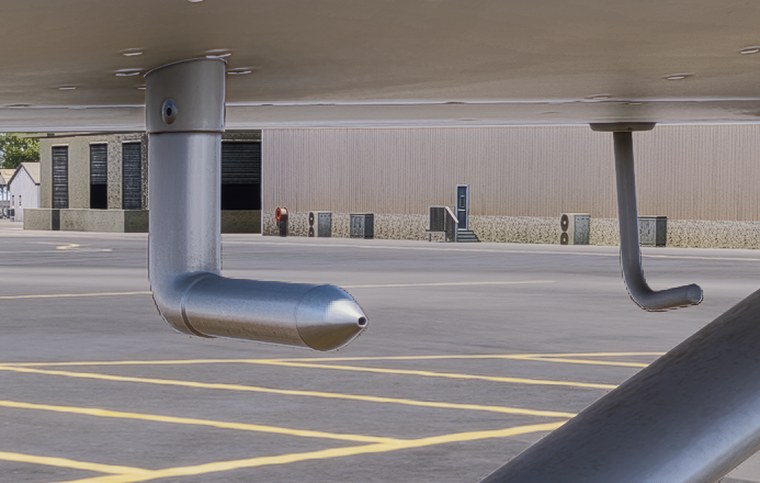
Cessna 152 pitot tube
Check the pitot tube during the preflight: a nest, a forgotten cover, pitot heat that warms up or doesn't.

Category 5

Airframe and flight controls

The manufacturer's limitations matter: load factor, never-exceed speed, maximum flap extended speed. Damage ranges from a simple inspection to a separated control surface, and you'll feel it through the controls.

Load factor and VNE

Pulling out of a dive too hard, diving past VNE: the longer you stay over the limit, the greater the risk.

What you'll notice
Depending on severity: vibration, a control that pulls, a mushy control, a jammed control surface.
What to do
Land soon and gently; the shop will tell you how bad the damage is.

Rough air in the yellow arc

Flying above VNO in turbulence fatigues the airframe, minute after minute.

What you'll notice
Nothing at the time… until the day the limits start closing in.
What to do
Slow down below VNO as soon as it gets bumpy.

Flaps

Lowered too fast: depending on the airspeed, they jam, get damaged or tear off.

What you'll notice
Flaps that no longer work, vibration, an airplane that wants to roll off on one wing.
What to do
Stay in the white arc; with a damaged flap, fly a faster, careful approach.

Hard landing

Touching down too firmly, or bouncing.

What you'll notice
The airplane is grounded for inspection; the landing gear may be bent.
What to do
Fly a stabilized approach; the debrief records the vertical speed of every touchdown.

Weight and balance

The weight and balance is recalculated with the arms from the airplane's POH: passengers, baggage, fuel.

What you'll notice
Forward CG: a heavy nose and a hard flare. Aft CG: very sensitive elevator. Overweight: a weaker airframe and landing gear.
What to do
Run the weight and balance during the preflight: it's calculated and plotted for you.

Category 6

Wheels and brakes

Tires

Pressure drops over time and with every touchdown; an underinflated or overinflated tire is more likely to go flat.

What you'll notice
The airplane pulls to one side while taxiing or on landing.
What to do
Check and top up the pressure during the preflight, with the tire gauge.

Overheated brakes

Braking hard and long, taxiing with the parking brake set, hot weather.

What you'll notice
Braking gets noticeably weaker.
What to do
Brake in short applications, and let the brakes cool between landings.

Soft, soggy ground and sand

Sand, wet dirt, tall grass, gravel: the wheels sink in and the tires take a beating.

What you'll notice
The airplane gets stuck; with the nose down and the brakes on, it can nose over.
What to do
Hold the yoke back, keep the weight off the nosewheel, and stay off the brakes.

Category 7

The cabin

Carbon monoxide

An exhaust cracked by age or by a hard knock sends carbon monoxide in through the cabin heat.

What you'll notice
The spot on the CO detector darkens; then your vision starts to narrow.
What to do
Turn off the cabin heat, open the windows wide, and land.

Door and windows

A door that isn't properly latched pops open in flight; a window left open at high speed can be torn off.

What you'll notice
Noise, a draft, drag, vibration.
What to do
Check the door latch during the preflight; in flight, slow down before closing it.

Stuck cabin heat

The cabin heat control gets stuck.

What you'll notice
The cabin gets stifling, or freezing if it's the cabin air that's stuck.
What to do
Work the cabin air and the windows. Cold and heat have real effects on the pilot.

Pilot effects (hypoxia, carbon monoxide, cold, drowsiness) are described on the In Flight page. Every failure has its own detailed entry in the Aircraft Manual.

Stop failures before you fly

Most failures can be spotted or prevented on the ground: the walkaround, fuel samples, the METAR, maintenance.